
Wisdom Tooth Removal in Malaysia: Signs, Surgery, and What Recovery Really Looks Like
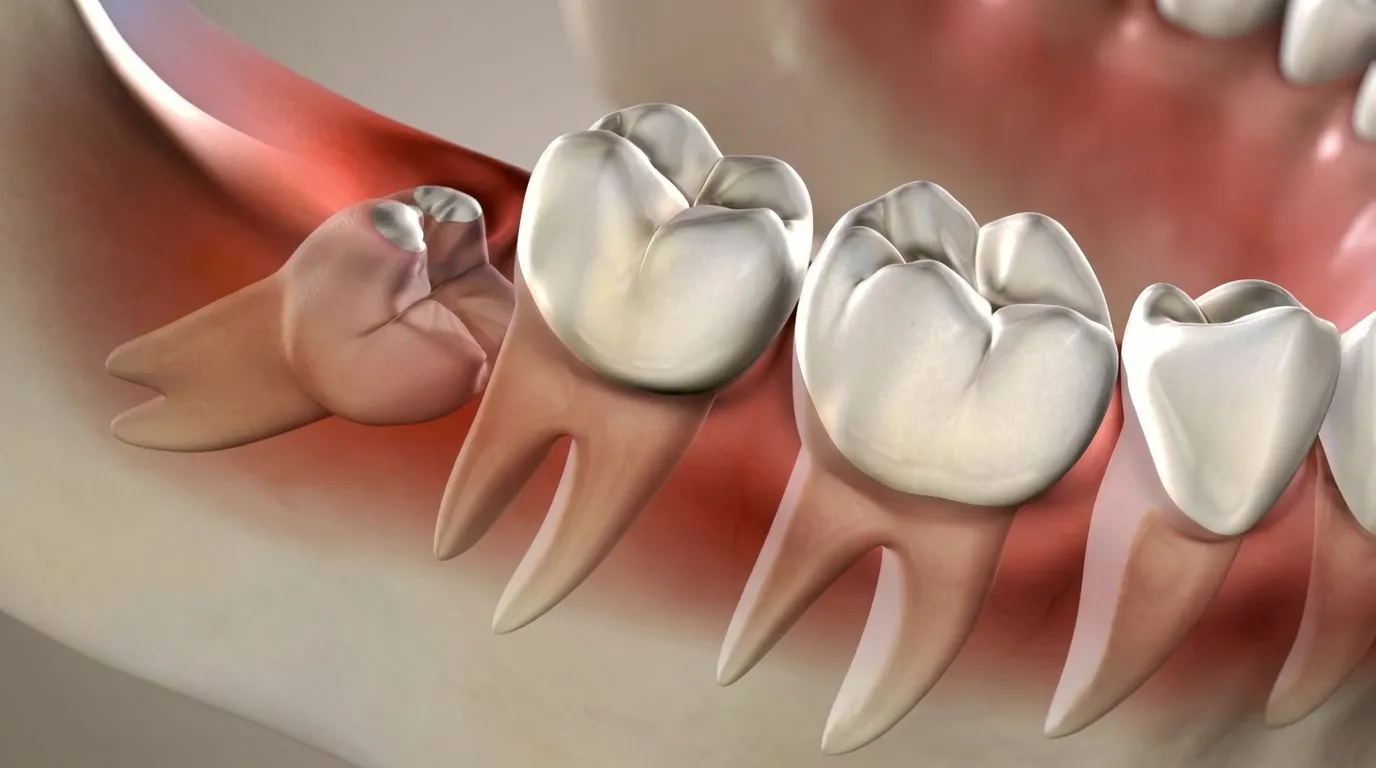
Wisdom teeth (gigi bongsu) arrive in the late teens to mid twenties, and for many Malaysians the jaw simply does not have room for them. When a wisdom tooth grows at an angle or only partially breaks through the gum, it becomes a trap for food and bacteria that toothbrushes cannot reach. Here is how to know when a wisdom tooth needs to go, what the procedure involves, and how recovery actually plays out.
Signs your wisdom tooth is a problem
Pain and swelling at the back of the jaw, especially recurring in episodes. A partially erupted wisdom tooth commonly causes pericoronitis, an infection of the gum flap over the tooth, which flares up, settles with antibiotics, and returns.
Other signs include difficulty opening your mouth fully, bad breath or a bad taste from the back of the mouth, food constantly trapping behind your last molar, and pain when biting in that area.
The quieter problem is the one you cannot feel. An impacted wisdom tooth pressing against the tooth in front of it can silently decay both teeth at the contact point. By the time it hurts, the second molar, a tooth you actually need, may be damaged too. This is why wisdom teeth are assessed with an X-ray even when symptoms are mild.
Does every wisdom tooth need extraction?
No. A wisdom tooth that is fully erupted, upright, functional and cleanable can stay. Removal is recommended when the tooth is impacted, repeatedly infected, decayed, damaging the neighbouring tooth, or associated with a cyst on X-ray. The decision follows examination and imaging, not a blanket rule.
Simple extraction vs minor oral surgery
A fully erupted wisdom tooth can often be removed like any other tooth, under local anaesthetic in a routine visit.
An impacted wisdom tooth, one that is angled, partially covered by gum, or still within the bone, needs minor oral surgery. Under local anaesthetic, the gum is opened, a small amount of bone may be removed, and the tooth is often sectioned into pieces for removal. The area is then stitched. The procedure typically takes 30 to 60 minutes, and you are numb throughout. Feeling pressure is normal; feeling pain is not, and you should tell your dentist if you do.
Complex cases close to the nerve canal in the lower jaw are identified on X-ray beforehand and referred appropriately when needed. That assessment is part of responsible treatment planning.
Recovery: the realistic timeline
Day 1 to 2: swelling and discomfort peak. Use the prescribed painkillers on schedule rather than waiting for pain, apply cold compresses, and rest. Bite on the gauze as instructed to control bleeding.
Day 3 to 5: swelling subsides steadily. Mild bruising of the cheek is possible and normal.
Day 7 onwards: most patients are essentially back to normal, and stitches are removed or dissolve around this point.
Protect the blood clot in the socket during the first few days. No rinsing or spitting forcefully in the first 24 hours, no smoking, and no drinking through straws. Losing the clot causes dry socket, which is considerably more painful than the extraction itself and needs a return visit to manage.
What to eat after wisdom tooth surgery
For the first few days, go soft and cool: bubur, porridge, yogurt, scrambled eggs, mashed potato, ice cream without nuts, and plenty of fluids. Avoid hot soups on day one, spicy food, and anything with small hard bits like nuts, seeds or keropok that can lodge in the socket. Most patients return to normal food within a week.
Planning your extraction around work
Most patients take one to two days off for a surgical extraction, ideally scheduling surgery before a weekend. If both sides need removal, discuss whether to do them together or separately based on your work schedule and how you want to manage recovery.
Wisdom tooth bothering you?
Heal Dental Clinic Bukit Jalil provides wisdom tooth assessment, extractions and minor oral surgery under local anaesthetic, with X-ray imaging on site. We serve Bukit Jalil, Sri Petaling, Puchong, OUG, Kuchai Lama and Seri Kembangan.
WhatsApp us to arrange an assessment.
Frequently asked questions
Is wisdom tooth surgery painful?
The procedure is done under local anaesthetic, so you feel pressure but not pain during surgery. Post operative discomfort and swelling peak in the first two days and are managed with prescribed medication.
How long is recovery after wisdom tooth removal?
Most patients feel largely normal within about a week. Swelling peaks at day two and subsides over the following days. Surgical cases take slightly longer than simple extractions.
What is dry socket and how do I avoid it?
Dry socket occurs when the healing blood clot is dislodged from the socket, exposing bone and causing significant pain around day three to five. Avoid smoking, straws, and forceful rinsing or spitting in the first few days to protect the clot.
Do wisdom teeth always need to be removed?
No. A wisdom tooth that has erupted fully, sits upright, functions in your bite and can be kept clean may be left alone. Removal is advised for impacted, infected, decayed or damaging wisdom teeth, based on examination and X-ray.